Introduction
Have you ever reached the middle of the afternoon feeling completely drained, only to realize you’ve barely had a glass of water all day?
You’re not alone.
Many people think tiredness, headaches, poor concentration, or dry skin are just part of a busy lifestyle. But sometimes, the solution is much simpler: your body is asking for more water.
The challenge is that hydration advice can be confusing.
One person says to drink eight glasses a day. Another carries a giant water bottle everywhere. Then there are hydration apps, fitness trackers, and endless online recommendations telling you how much water you should drink.
So what’s the truth?
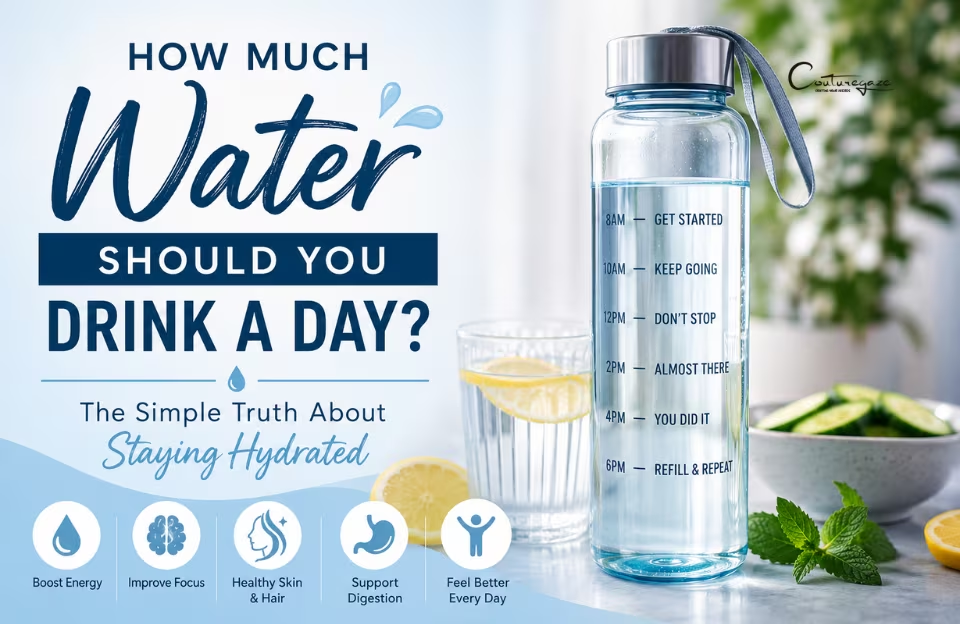
The reality is that there isn’t one magic number that works for everyone. Your ideal water intake depends on factors like your body size, activity level, climate, and daily routine.
In this guide, you’ll learn how to tell if you’re drinking enough water, what happens when you don’t, and simple ways to stay hydrated without turning it into another complicated wellness rule.
- Introduction
- Why Hydration Matters More Than You Think
- Are You Drinking Enough Water?
- Why Some People Need More Water Than Others
- Does Coffee Really Dehydrate You?
- Do Tea, Juice, and Other Drinks Count?
- 7 Common Hydration Mistakes People Make
- Can Drinking More Water Improve Your Skin?
- Can Drinking More Water Improve Hair Health?
- Can Drinking More Water Give You More Energy?
- Easy Ways to Drink More Water Without Forcing Yourself
- Special Situations Where You May Need More Water
- How Can You Tell If You're Drinking Enough Water?
- What to Remember About Daily Hydration
- Frequently Asked Questions
- 1. Is eight glasses of water a day enough?
- 2. How much water should I drink based on my weight?
- 3. Can drinking more water help with weight loss?
- 4. What happens if I don't drink enough water?
- 5. Does sparkling water count as water?
- 6. Does tea count as water intake?
- 7. Does coffee dehydrate you?
- 8. How can I tell if I'm drinking enough water?
- 9. What is the healthiest drink for hydration?
- Conclusion
Why Hydration Matters More Than You Think
Most people don’t think about water until they feel thirsty.
But by the time thirst kicks in, your body is already sending a signal that it needs fluids.
Water quietly supports countless functions throughout the day. It helps regulate body temperature, supports digestion, carries nutrients throughout the body, and helps maintain energy levels.
When you’re properly hydrated, you may not notice anything at all.
When you’re not, your body often lets you know.
Are You Drinking Enough Water?
A surprising number of people walk around mildly dehydrated without realizing it.
Instead of feeling obviously thirsty, they experience symptoms that seem unrelated.
Common Signs You May Need More Water
- Frequent headaches
- Feeling tired or sluggish
- Dry lips or dry mouth
- Difficulty concentrating
- Dizziness
- Dark yellow urine
- Increased cravings for snacks
- Feeling thirsty throughout the day
Sound familiar?
If several of these apply to you regularly, your hydration habits may need some attention.
So, How Much Water Should You Drink a Day?
This is where things get interesting.
The popular “eight glasses a day” rule is easy to remember, but it’s not a perfect fit for everyone.
Think about it:
A petite office worker spending the day indoors doesn’t have the same hydration needs as someone exercising outdoors in hot weather.
Your body size, activity level, and environment all influence how much water you need.
A practical guideline is:
Aim for Around 30–35 ml of Water Per Kilogram of Body Weight
For example:
| Weight | Estimated Daily Water Intake |
| 50 kg | 1.5–1.8 litres |
| 60 kg | 1.8–2.1 litres |
| 70 kg | 2.1–2.5 litres |
| 80 kg | 2.4–2.8 litres |
| 90 kg | 2.7–3.2 litres |
These figures aren’t strict rules. They’re simply a useful starting point.
Want a More Personalized Estimate?
Instead of guessing, use our Water Intake Calculator to estimate how much water you may need based on your weight, activity level, and lifestyle.
Why Some People Need More Water Than Others
Have you ever noticed that some people seem perfectly fine with a few glasses of water while others carry a bottle everywhere?
That’s because hydration needs aren’t the same for everyone.
You Exercise Regularly
The more you sweat, the more fluids you lose.
If you exercise frequently, your body typically needs additional water to replace those losses.
You Live in a Hot Climate
Hot and humid weather naturally increases sweating.
People living in warmer regions often require more water throughout the day than those in cooler climates.
You’re Frequently Traveling
Long flights, road trips, and busy travel schedules can make it easy to forget to drink enough water.
Many travelers arrive at their destination feeling tired when dehydration is actually part of the problem.
You’re Pregnant or Breastfeeding
Fluid requirements typically increase during pregnancy and breastfeeding because the body is supporting additional physiological demands.
Does Coffee Really Dehydrate You?
This is one of the most common hydration myths.
You’ve probably heard someone say:
“Coffee doesn’t count because caffeine dehydrates you.”
The truth is a little more complicated.
While caffeine can have a mild diuretic effect, research suggests that moderate amounts of coffee still contribute to your daily fluid intake.
So if your morning routine includes:
- Coffee
- Tea
- Green tea
- Black tea
you’re still getting fluids.
That doesn’t mean coffee should replace water entirely, but you don’t need to “cancel out” every cup of coffee with extra glasses of water either.
For most healthy adults, enjoying coffee in moderation can be part of a well-hydrated lifestyle.
Do Tea, Juice, and Other Drinks Count?
Yes, they do.
Hydration doesn’t come exclusively from plain water.
Many beverages contribute to your overall fluid intake, including:
- Herbal tea
- Green tea
- Black tea
- Milk
- Fresh fruit juices
- Smoothies
Even many fruits and vegetables contain a surprisingly high amount of water.
Some excellent hydrating foods include:
- Watermelon
- Cucumber
- Oranges
- Strawberries
- Lettuce
- Tomatoes
- Celery
That’s one reason why people who eat plenty of fruits and vegetables often get a portion of their daily hydration from food alone.
7 Common Hydration Mistakes People Make
Sometimes the problem isn’t that you’re never drinking water.
It’s that a few everyday habits are making hydration harder than it needs to be.
1. Waiting Until You’re Extremely Thirsty
Many people treat thirst as a reminder to start drinking water.
A better approach is to drink consistently throughout the day instead of waiting until you’re already dehydrated.
2. Drinking Most of Your Water at Night
Have you ever realized at 9 PM that you’ve barely had any water all day?
Many people then try to “catch up” by drinking large amounts before bed.
The result?
Multiple trips to the bathroom during the night and disrupted sleep.
Instead, spread your intake across the day.
3. Forgetting to Drink During Busy Days
Work meetings, errands, commuting, and family responsibilities often distract people from simple habits like drinking water.
One easy solution is keeping a reusable bottle within reach throughout the day.
If it’s visible, you’re more likely to use it.
4. Mistaking Thirst for Hunger
Sometimes what feels like hunger is actually thirst.
Before reaching for a snack, try drinking a glass of water and waiting a few minutes.
You may discover that your body was simply asking for fluids.
5. Ignoring Hot Weather
Many people underestimate how much water they lose during summer months.
Sweating increases fluid loss, meaning your hydration needs often rise when temperatures climb.
6. Relying Mostly on Sugary Drinks
Soft drinks and sweetened beverages may provide fluids, but they often come with large amounts of sugar and unnecessary calories.
Water remains one of the simplest and healthiest choices.
7. Assuming Everyone Needs the Same Amount
Your friend’s hydration needs are not necessarily your hydration needs.
Body size, activity level, climate, and lifestyle all influence how much water is appropriate for you.
Can Drinking More Water Improve Your Skin?
This is probably one of the biggest wellness questions online.
The answer?
Not exactly, but hydration still matters.
Drinking more water won’t magically erase wrinkles, acne, or other skin concerns overnight.
However, proper hydration supports overall skin health by helping your body function normally.
When you’re dehydrated, your skin may sometimes appear:
- Duller
- Less plump
- Less comfortable
Hydration is just one piece of the puzzle alongside:
- Sleep
- Nutrition
- Sun protection
- Skincare habits
- Genetics
Think of water as a foundation rather than a miracle cure.
Can Drinking More Water Improve Hair Health?
People often ask whether increasing water intake will make their hair grow faster.
Unfortunately, it’s not quite that simple.
Water alone won’t suddenly transform your hair.
However, overall hydration supports normal bodily functions, including those involved in maintaining healthy skin and scalp conditions.
For healthier hair, hydration works best alongside:
- A balanced diet
- Quality sleep
- Proper hair care
- Stress management
If you’re interested in learning more about healthy hair habits, you may also enjoy:
- Hair Growth Cycle Explained: Understanding the 4 Stages of Healthy Hair Growth
- Hair Breakage vs Hair Loss: How to Tell the Difference and What to Do About It
- How to Improve Hair Texture Naturally
Can Drinking More Water Give You More Energy?
Sometimes, yes.
Mild dehydration can contribute to:
- Fatigue
- Brain fog
- Difficulty concentrating
- Reduced physical performance
Many people notice they feel more alert simply by becoming more consistent with their hydration habits.
Of course, hydration isn’t a substitute for:
- Adequate sleep
- Good nutrition
- Regular movement
But it is one of the easiest wellness habits to improve.
Speaking of sleep, many people find that better hydration and better sleep habits go hand in hand.
If you’re trying to improve your sleep routine, check out our Sleep Calculator to help determine your ideal bedtime and wake-up schedule.
Easy Ways to Drink More Water Without Forcing Yourself
If you’ve ever set a goal to drink more water and failed after two days, you’re not alone.
The secret isn’t willpower.
It’s making hydration easier.
Start Your Day With Water
Before reaching for coffee, drink a glass of water after waking up.
It’s a simple habit that helps you begin the day hydrated.
Carry a Water Bottle
People tend to drink more water when it’s conveniently available.
A reusable bottle acts as a constant reminder.
Add Natural Flavor
If plain water feels boring, try adding:
- Lemon slices
- Lime
- Mint leaves
- Cucumber
- Berries
This can make water more enjoyable without adding significant calories or sugar.
Pair Water With Existing Habits
Drink water:
- With meals
- Before workouts
- After walks
- While checking emails
Connecting hydration to existing routines makes it easier to remember.
Use a Personalized Goal
Rather than copying someone else’s water target, calculate a goal based on your own needs.
Our Water Intake Calculator can help estimate a daily target based on your weight, activity level, and lifestyle.
Special Situations Where You May Need More Water
By now, you’ve probably realized that hydration isn’t just about hitting a random number of glasses each day.
Some situations naturally increase your body’s need for fluids.
Understanding these can help you avoid dehydration before it starts.
During Exercise
Whether you’re going for a morning walk, lifting weights at the gym, or training for a marathon, your body loses water through sweat.
The harder and longer you exercise, the more fluids you typically need.
A few signs you may need extra hydration during workouts include:
- Excessive sweating
- Dry mouth
- Fatigue
- Dizziness
- Muscle cramps
A simple habit is to drink water before, during, and after physical activity rather than waiting until you’re extremely thirsty.
During Hot and Humid Weather
Summer heat can quickly increase fluid loss.
Even if you’re not exercising, your body works harder to regulate temperature, which often means more sweating.
If you’re spending time outdoors:
- Carry a water bottle.
- Take regular hydration breaks.
- Eat water-rich fruits and vegetables.
- Limit excessive alcohol intake.
Many people don’t realize how quickly dehydration can develop during hot weather.
During Travel
Travel often disrupts healthy habits.
Long flights, road trips, sightseeing, and busy schedules can make it easy to forget about hydration.
Airplane cabins are also known for their dry air, which may leave you feeling tired and dehydrated by the time you arrive.
One of the easiest travel habits you can adopt is carrying a refillable water bottle wherever you go.
If you’re planning your next trip, you might also enjoy our Travel Capsule Wardrobe: Pack Smart with Fewer Clothes for Every Trip guide for practical packing tips.
During Illness
When you’re sick, your body may lose fluids more quickly through:
- Fever
- Sweating
- Vomiting
- Diarrhea
In these situations, hydration becomes especially important.
Listening to your body’s signals and replacing lost fluids can support recovery and help you feel more comfortable.
How Can You Tell If You’re Drinking Enough Water?
Many people focus on a specific target number.
But your body often provides useful clues.
Here are some practical signs that your hydration habits are likely on track:
Your Urine Is Light Yellow
Pale yellow urine is often considered a sign of adequate hydration.
Very dark urine may indicate that you need more fluids.
You Rarely Feel Extremely Thirsty
Occasional thirst is normal.
Constant thirst throughout the day may suggest you’re not drinking enough.
Your Energy Levels Feel Consistent
While many factors affect energy, proper hydration can help support focus, alertness, and overall wellbeing.
You’re Not Experiencing Frequent Headaches
Headaches can have many causes, but dehydration is one possible contributor.
You Feel Good Overall
Sometimes the simplest indicator is how you feel.
When your body is properly hydrated, everyday activities often feel easier and more comfortable.
What to Remember About Daily Hydration
If all the hydration advice online feels overwhelming, focus on these key points:
- There is no one-size-fits-all water recommendation.
- Your hydration needs depend on your body, lifestyle, and environment.
- Water is the best source of hydration, but other beverages and foods also contribute.
- Coffee and tea generally count toward daily fluid intake.
- Consistency matters more than drinking huge amounts occasionally.
- Signs like dark urine, fatigue, headaches, and persistent thirst may indicate you need more fluids.
- Building simple daily habits is often more effective than following strict hydration rules.
Frequently Asked Questions
1. Is eight glasses of water a day enough?
For some people, yes.
For others, no.
The famous “8 glasses a day” rule is simply a general guideline. Your actual needs depend on factors such as body weight, activity level, climate, and overall health.
2. How much water should I drink based on my weight?
A commonly used estimate is around 30–35 ml of water per kilogram of body weight each day.
For a more personalized recommendation, try our Water Intake Calculator.
3. Can drinking more water help with weight loss?
Water itself isn’t a weight-loss solution.
However, staying hydrated may help support healthy habits and prevent confusion between thirst and hunger.
4. What happens if I don’t drink enough water?
Mild dehydration can contribute to:
- Headaches
- Fatigue
- Dry mouth
- Reduced concentration
- Dizziness
More severe dehydration may require medical attention.
5. Does sparkling water count as water?
Yes.
Plain sparkling water contributes to hydration just like still water.
Just be mindful of added sugars in flavored varieties.
6. Does tea count as water intake?
Yes.
Most teas contribute to your daily fluid intake.
Herbal teas, green tea, and black tea can all help support hydration.
7. Does coffee dehydrate you?
Moderate coffee consumption generally contributes to hydration rather than causing dehydration.
The fluid content typically outweighs the mild diuretic effect of caffeine.
8. How can I tell if I’m drinking enough water?
Some common indicators include:
- Pale yellow urine
- Normal energy levels
- Minimal feelings of thirst
- Good overall wellbeing
Hydration needs vary from person to person.
9. What is the healthiest drink for hydration?
For most people, plain water remains the best choice for everyday hydration.
It provides fluids without added sugar, calories, or caffeine.
Conclusion
Staying hydrated doesn’t have to be complicated.
You don’t need to obsess over every sip or carry a gallon-sized water bottle everywhere you go.
Instead, focus on building simple, sustainable habits that fit naturally into your lifestyle.
Drink water consistently throughout the day, pay attention to your body’s signals, and adjust your intake when factors like exercise, heat, travel, or illness increase your needs.
Remember, hydration is one of the easiest wellness habits to improve, yet it can influence everything from energy levels and concentration to overall health and wellbeing.
Small changes can make a big difference.
So the next time you’re feeling tired, unfocused, or reaching for another cup of coffee, ask yourself a simple question:
Have I had enough water today?…………The answer might surprise you.
Sources & References
For readers interested in learning more about hydration and daily fluid intake recommendations: