Introduction
You notice more hair than usual in your hairbrush.
Maybe you’re finding strands on your pillow, in the shower drain, or on your clothes throughout the day.
Naturally, the first thought is: “Am I losing my hair?”
But before you panic, there’s an important question to ask: Is it actually hair loss, or is your hair simply breaking?
Although both conditions can make your hair appear thinner, they are not the same thing.
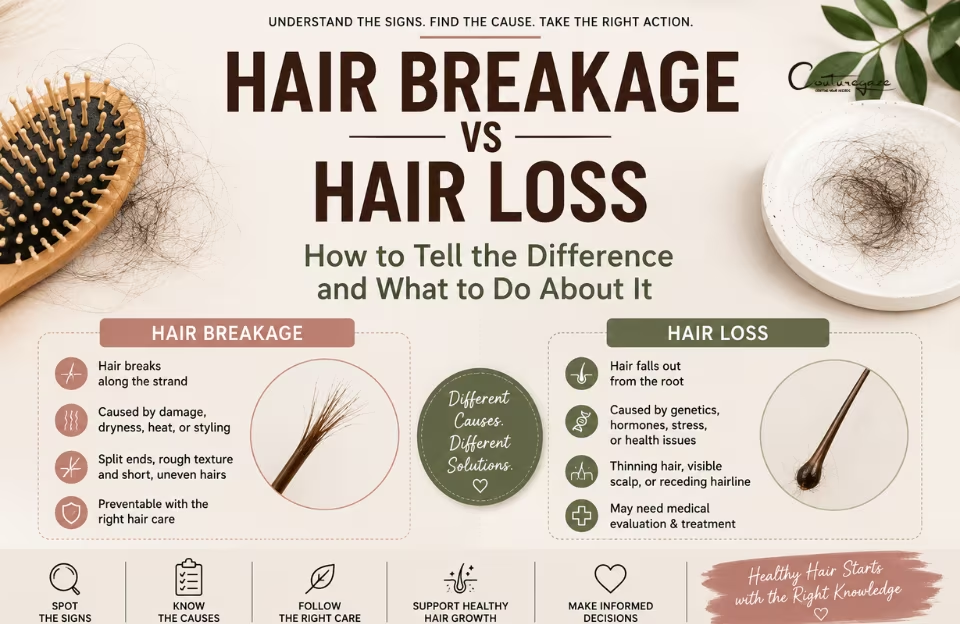
Hair loss happens when strands fall out from the root, often due to genetics, hormones, stress, illness, or changes in the hair growth cycle. Hair breakage, on the other hand, occurs when strands snap somewhere along the hair shaft because of damage, dryness, friction, or excessive styling.
The good news?
Understanding the difference is the first step toward finding the right solution.
In this guide, you’ll learn:
- The difference between hair breakage and hair loss
- How to identify each condition
- Common causes of both
- Signs to watch for
- Practical steps to improve hair health
- When to seek professional advice
By the end, you’ll be able to assess what’s happening with your hair and take action with confidence.
- Introduction
- Hair Loss
- Hair Breakage
- Quick Comparison: Hair Breakage vs Hair Loss
- A Simple Test You Can Do at Home
- Signs Your Hair Is Breaking
- Common Causes of Hair Breakage
- Why Breakage Is Often Mistaken for Hair Loss
- How to Identify Hair Loss
- Common Causes of Hair Loss
- Can You Experience Hair Breakage and Hair Loss at the Same Time?
- When Is Hair Shedding Normal?
- A Quick Self-Assessment
- How to Prevent Hair Breakage
- How to Support Healthy Hair Growth
- When Should You See a Professional?
- Frequently Asked Questions
- Conclusion
Hair Breakage vs Hair Loss: What’s the Difference?
Although both conditions may result in fewer strands on your head, the way the hair leaves your scalp is completely different.
Hair Loss
Hair loss occurs when a strand falls out from the follicle at the root.
This is a natural part of the hair growth cycle. In fact, shedding 50–100 hairs per day is considered normal for most people.
However, excessive shedding or thinning may indicate that the hair growth cycle has been disrupted.
If you’re unfamiliar with the natural shedding process, our guide on Hair Growth Cycle Explained: Understanding the 4 Stages of Healthy Hair Growth explains how hair moves through the growth, resting, and shedding phases.
Hair Breakage
Hair breakage occurs when the strand snaps somewhere between the root and the ends.
Unlike hair loss, the follicle remains intact and continues producing hair.
Breakage is often linked to:
- Heat styling
- Chemical treatments
- Tight hairstyles
- Excessive brushing
- Dryness
- Lack of moisture
- Weak hair structure
When breakage becomes severe, hair may appear thinner even though the follicles are still producing new strands.
Quick Comparison: Hair Breakage vs Hair Loss
| Hair Breakage | Hair Loss |
| Hair snaps along the shaft | Hair falls out from the root |
| Often caused by damage | Often linked to internal factors |
| Leaves shorter, uneven strands | Full-length strands usually shed |
| Split ends are common | Split ends usually not involved |
| Hairline often remains unchanged | Hairline or density may change |
| Scalp generally appears normal | Scalp may become more visible |
A Simple Test You Can Do at Home
Found a strand of hair?
Take a closer look.
If the Strand Has a Small White Bulb,
The hair likely shed naturally from the follicle.
This usually indicates hair loss or normal shedding.
If the Strand Is Shorter Than Your Usual Hair Length
And there’s no visible bulb at the end?
The strand likely broke somewhere along the shaft.
This is usually a sign of hair breakage.
If You’re Seeing Both
It’s possible to experience hair breakage and hair loss at the same time.
For example:
- Stress may increase shedding.
- Frequent heat styling may cause breakage.
This combination is surprisingly common.
Signs Your Hair Is Breaking
Hair breakage often develops gradually, making it easy to overlook at first.
Watch for these signs:
Lots of Short Flyaways
Notice shorter strands sticking up around your crown or parting?
These may be broken hairs rather than new growth.
Split Ends
Split ends occur when the protective outer layer of the hair becomes damaged.
The strand begins splitting into multiple sections, making further breakage more likely.
Hair Feels Rough or Fragile
Damaged hair often feels:
- Dry
- Brittle
- Rough
- Weak
This is especially common in highly porous hair.
Uneven Hair Length
Healthy hair generally grows at a relatively consistent rate.
When breakage occurs frequently, some sections become noticeably shorter than others.
Difficulty Growing Longer Hair
One of the biggest signs of breakage is when your hair seems stuck at the same length.
The hair may be growing from the scalp, but constant breakage prevents visible length retention.
Common Causes of Hair Breakage
Unlike hair loss, breakage is usually related to the condition of the hair strand itself.
Heat Styling
Frequent use of:
- Flat irons
- Curling wands
- Blow dryers
can weaken the hair’s protective outer layer over time.
The result is increased dryness, fragility, and breakage.
Chemical Treatments
Hair colouring, bleaching, relaxing, and perming can alter the hair structure.
Repeated chemical processing may make hair more vulnerable to damage.
Excessive Friction
Everyday habits can contribute to breakage, including:
- Rough towel drying
- Tight ponytails
- Sleeping on rough pillowcases
- Aggressive brushing
Over time, repeated friction weakens the hair shaft.
Moisture Imbalance
Hair that lacks moisture often becomes brittle and prone to snapping.
On the other hand, excessively weakened hair can also struggle to maintain strength.
Understanding your hair’s moisture needs is important for maintaining healthy strands.
High Hair Porosity
Highly porous hair absorbs moisture quickly but often loses it just as fast.
This can leave the hair vulnerable to:
- Dryness
- Frizz
- Breakage
If you’re unsure about your hair’s porosity level, check out our guide:
Hair Porosity Explained: How to Test Your Hair and Choose the Right Products
Understanding porosity can help you select products that better support your hair’s needs.
Why Breakage Is Often Mistaken for Hair Loss
Many people assume:
“My hair isn’t getting longer, so I must be losing it.”
In reality, the hair may be growing normally while the ends continue breaking off.
This creates the illusion of slow growth or thinning.
That’s why identifying the true cause is so important before investing in products or treatments.
How to Identify Hair Loss
Unlike hair breakage, hair loss begins at the scalp. The strand completes its natural growth cycle or is forced out prematurely and falls from the follicle.
Some hair shedding is completely normal. In fact, losing around 50–100 hairs per day is part of a healthy hair growth cycle.
The challenge is knowing when normal shedding becomes excessive.
Signs You May Be Experiencing Hair Loss
Increased Hair Shedding
If you suddenly notice significantly more hair:
- In your shower drain
- On your pillow
- On your hairbrush
- On your clothing
It may indicate increased shedding rather than simple breakage.
Remember, the strands that fall due to hair loss are often full-length hairs with a small white bulb attached to one end.
A Wider Parting
Take a look at your natural part line.
If it appears wider than it used to, or if more scalp is becoming visible, this can be an early sign of hair thinning.
Many people notice this change before they see actual bald spots.
Reduced Hair Density
Does your ponytail feel thinner?
Does your hair feel less full than it did a year ago?
Gradual reductions in density often indicate hair loss rather than breakage.
Receding Hairline
For some people, particularly men, hair loss may begin around the temples or hairline.
Women may notice more diffuse thinning across the crown rather than a clearly receding hairline.
Excessive Shedding After Stress or Illness
Hair loss doesn’t always happen immediately after a trigger.
Sometimes the shedding starts:
- 2–4 months after a stressful event
- Following illness
- After surgery
- After significant weight loss
- Following hormonal changes
This temporary shedding condition is known as telogen effluvium and is one of the most common causes of sudden hair shedding.
Common Causes of Hair Loss
Hair loss can result from many internal factors that affect the hair follicle and growth cycle.
Genetics
The most common cause of long-term hair loss is hereditary pattern hair loss.
This condition may affect:
- Men
- Women
- Various age groups
Genetics can influence:
- Hair density
- Hairline changes
- Growth cycle duration
Hormonal Changes
Hormones play a major role in hair growth.
Hair shedding may increase during:
- Pregnancy
- Postpartum recovery
- Menopause
- Thyroid disorders
- Hormonal imbalances
These changes can disrupt the normal growth cycle and push more hairs into the shedding phase.
Stress
Physical and emotional stress can affect the hair growth cycle.
Examples include:
- Major life events
- Emotional trauma
- High work stress
- Illness
- Sleep deprivation
This is one reason why stress-related shedding often appears several months after the stressful period itself.
Nutritional Deficiencies
Hair follicles require adequate nutrition to function properly.
Low levels of certain nutrients may contribute to hair shedding, including:
- Iron
- Protein
- Vitamin D
- Zinc
- B vitamins
A balanced diet supports healthy hair growth and overall scalp health.
Certain Medical Conditions
Hair loss may sometimes be associated with:
- Thyroid disorders
- Autoimmune conditions
- Scalp disorders
- Chronic illness
If hair loss appears sudden, severe, or persistent, it’s worth discussing with a healthcare professional.
Can You Experience Hair Breakage and Hair Loss at the Same Time?
Absolutely.
Many people assume they must be dealing with one or the other, but both can occur simultaneously.
For example:
A person may experience:
- Stress-related shedding after a major life event
- Frequent heat styling that damages the hair shaft
In this case:
- Hair loss causes more hairs to fall from the root.
- Hair breakage causes existing strands to snap.
The result can make hair appear significantly thinner than either issue alone.
When Is Hair Shedding Normal?
Not every hair on your brush is a reason to worry.
Normal shedding often:
- Remains relatively consistent
- Doesn’t create noticeable thinning
- Doesn’t significantly change hair density
- Doesn’t leave bald patches
Hair naturally moves through growth, resting, and shedding phases throughout its lifecycle.
A Quick Self-Assessment
Ask yourself:
- Are the strands full length with a white bulb?
This often points toward shedding. - Are the strands shorter and uneven?
This often suggests breakage. - Is your hairline changing?
Hair loss may be involved. - Are you noticing split ends and rough texture?
Breakage is more likely contributing to the problem. - Have you recently experienced illness, stress, hormonal changes, or significant weight loss?
These can increase temporary hair shedding.
How to Prevent Hair Breakage
The good news about hair breakage is that it’s often preventable. Small changes in your daily hair care routine can make a significant difference over time.
Be Gentle When Detangling
Wet hair is more vulnerable to damage because it stretches more easily.
To reduce breakage:
- Use a wide-tooth comb or detangling brush.
- Start from the ends and gradually work upward.
- Avoid pulling aggressively through knots.
- Apply a conditioner or detangling product when needed.
Patience can save countless strands from unnecessary breakage.
Limit Heat Styling
Occasional styling is unlikely to cause major damage, but frequent exposure to high temperatures can weaken the hair shaft.
Try to:
- Use lower heat settings.
- Apply a heat protectant before styling.
- Allow hair to air dry when possible.
- Schedule regular heat-free days.
Reducing heat exposure helps preserve hair strength and moisture.
Avoid Tight Hairstyles
Styles that constantly pull on the hair can contribute to both breakage and hair loss.
Examples include:
- Tight ponytails
- High buns
- Braids that pull on the scalp
- Tight extensions
Opt for looser styles whenever possible and vary your hairstyles to reduce tension.
Protect Hair While Sleeping
Many people overlook the damage that occurs overnight.
Helpful habits include:
- Sleeping on a silk or satin pillowcase.
- Using a silk bonnet or scarf.
- Avoiding tight hairstyles before bed.
Reducing friction can help minimize breakage and frizz.
Keep Hair Moisturized
Dry hair tends to be more fragile.
Focus on:
- Using a suitable conditioner.
- Deep conditioning when needed.
- Choosing products based on your hair type and porosity level.
How to Support Healthy Hair Growth
While you can’t completely control how fast your hair grows, you can create conditions that support healthy growth.
Prioritize a Balanced Diet
Hair follicles require nutrients to function properly.
A balanced diet that includes:
- Protein
- Iron
- Zinc
- Healthy fats
- Vitamins and minerals
can help support overall hair health.
Crash dieting and restrictive eating patterns may contribute to increased shedding.
Stay Hydrated
Hydration plays an important role in overall body function, including scalp and hair health.
While drinking more water won’t magically accelerate hair growth, proper hydration supports healthy hair and skin.
If you’re unsure whether you’re drinking enough water, try our Water Intake Calculator to estimate your daily hydration needs.
Get Quality Sleep
Your body performs important repair and recovery processes while you sleep.
Poor sleep may increase stress levels, which can indirectly affect hair health.
Building healthy sleep habits supports overall wellness and may help maintain a healthier environment for hair growth.
You can also use our Sleep Calculator to help plan a sleep schedule that works for your lifestyle.
Manage Stress
Stress is one of the most common triggers of temporary hair shedding.
Helpful stress-management techniques may include:
- Regular exercise
- Meditation
- Deep breathing
- Walking outdoors
- Maintaining a healthy work-life balance
Even small reductions in stress can benefit overall wellbeing.
Care for Your Scalp
Healthy hair starts at the scalp.
Simple scalp-care habits include:
- Washing regularly based on your hair type.
- Avoiding excessive product buildup.
- Massaging the scalp gently during washing.
- Protecting the scalp from excessive sun exposure.
A healthy scalp provides the best environment for healthy hair growth.
When Should You See a Professional?
Occasional shedding and minor breakage are normal.
However, consider seeking professional advice if you notice:
- Sudden or severe hair loss.
- Bald patches.
- A rapidly widening part.
- Significant thinning.
- Persistent scalp irritation.
- Hair loss that continues for several months.
A dermatologist or qualified healthcare professional can help identify potential underlying causes and recommend appropriate treatment options.
Frequently Asked Questions
1. How can I tell if my hair is breaking or falling out?
Look at the strand.
If you see a small white bulb at one end, the hair likely shed from the root. If the strand is shorter than your usual hair length and has no visible bulb, breakage is more likely.
2. Is it normal to lose hair every day?
Yes, Most people naturally shed around 50–100 hairs daily as part of the normal hair growth cycle.
3. Can damaged hair grow back?
Hair itself cannot repair once damaged, but new hair growing from the follicle can be healthy if the underlying cause of the damage is addressed.
4. Can stress cause hair loss?
Yes, significant physical or emotional stress can trigger temporary hair shedding, often appearing several months after the stressful event.
5. Does trimming hair stop hair loss?
No, Trimming can help remove split ends and reduce breakage, but it does not affect the hair follicle or prevent hair loss from the root.
6. Can I have hair breakage and hair loss at the same time?
Absolutely, Many people experience both simultaneously, especially when internal factors increase shedding while external factors damage the hair shaft.
Conclusion
Finding hair on your brush or in the shower can be worrying, but understanding whether you’re dealing with hair breakage or hair loss is the first step toward finding the right solution.
Hair breakage usually results from damage to the hair shaft and often improves with better hair care practices, moisture balance, and reduced styling stress. Hair loss, on the other hand, involves the hair follicle and may be influenced by genetics, hormones, stress, nutrition, or health conditions.
The key is to look beyond the amount of hair you’re losing and pay attention to how the hair is leaving your scalp.
Once you identify the cause, you’ll be better equipped to make informed decisions about your hair care routine and seek professional guidance when necessary.
Remember, healthy hair isn’t just about what happens on the outside. Supporting your overall health, managing stress, staying hydrated, and caring for your scalp all contribute to stronger, healthier hair over time.
Continue Learning About Healthy Hair
Want to understand your hair even better?
- Types of Hair and How to Care for Them
Learn how to identify your hair type and build a routine tailored to its unique needs. - Hair Porosity Explained: How to Test Your Hair and Choose the Right Products
Discover how your hair absorbs and retains moisture so you can choose products that work best for your hair. - Hair Growth Cycle Explained: Understanding the 4 Stages of Healthy Hair Growth
Learn how hair grows, rests, sheds, and regrows, and why daily shedding is often completely normal. - How to Improve Hair Texture Naturally
Discover practical, science-backed ways to improve hair texture naturally, reduce dryness and frizz, and achieve softer, smoother, healthier-looking hair. - How to Keep Your Hair Healthy and Beautiful at Home
Learn simple at-home hair care habits, maintenance tips, and expert techniques to keep your hair healthy, strong, shiny, and salon-fresh between appointments.
Sources & References
For readers interested in exploring the science behind hair growth, shedding, and hair health in more detail: