Why Your Hair Feels Dry, Rough, or Frizzy and How to Fix It Naturally
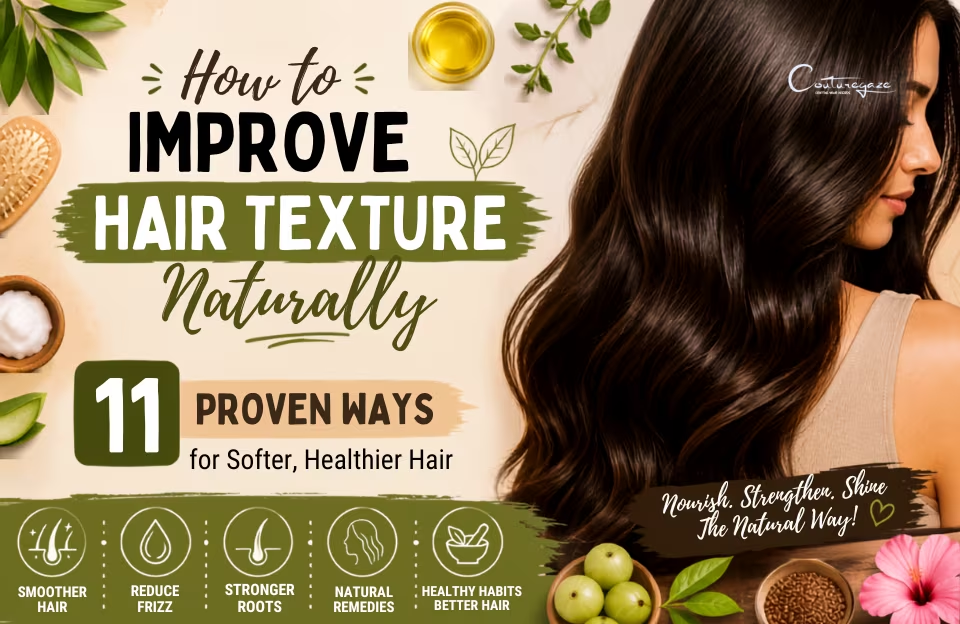
If you’re wondering how to improve hair texture naturally, the good news is that you don’t need expensive salon treatments to achieve softer, healthier hair.
Your hair is often the first thing people notice about you. But what if it feels rough, dry, frizzy, lacks shine, or difficult to manage, you’re not alone? That’s a sign your hair texture may need some extra care.
Many people assume damaged hair texture is simply something they have to live with. Others spend money on expensive salon treatments hoping for a quick fix.
The truth is that healthy hair texture often comes down to consistent daily habits.
The products you use, the food you eat, the amount of stress you experience, and even the quality of water in your home can affect how your hair looks and feels.
The good news?
You don’t need complicated routines or harsh treatments to see improvement.
With the right combination of nourishment, moisture, and gentle care, you can gradually make your hair feel softer, smoother, shinier, and healthier.
This guide covers everything you need to know about how to improve hair texture naturally.
- Why Your Hair Feels Dry, Rough, or Frizzy and How to Fix It Naturally
- What Is Hair Texture?
- Hair Texture vs Hair Type
- Why Does Hair Texture Become Rough or Damaged?
- The Hidden Hair Texture Damage Cycle
- 1. Nourishing Oil Treatments
- 2. Balance Protein and Moisture
- 3. Pay Attention to Your Scalp
- 4. Switch to a Gentler Shampoo
- 5. Deep Condition Weekly
- 6. Stay Hydrated
- 7. Eat Foods That Support Healthy Hair
- 8. Protect Hair While Sleeping
- 9. Understand the Effects of Hard Water
- 10. Adjust Your Hair Care Routine with the Seasons
- 11. Reduce Heat Styling
- Signs Your Hair Texture Needs Improvement
- Lifestyle Habits That Improve Hair Texture
- Protective Hairstyles and Daily Hair Care Habits
- Herbal and Ayurvedic Remedies for Better Hair Texture
- When Natural Remedies Are Not Enough (Optional)
- Common Myths About Hair Texture
- Hair Texture Improvement Routine
- When Will You Notice Better Hair Texture?
- FAQs About Improving Hair Texture Naturally
- 1. How long does it take to improve hair texture?
- 2. Can poor hair texture be genetic?
- 3. Which oil is best for improving hair texture?
- 4. Do hair supplements work?
- 5. Is it possible to permanently change hair texture?
- 6. Can damaged hair texture be repaired naturally?
- 7. Does rice water improve hair texture?
- 8. Can hard water cause rough hair?
- Final Thoughts
What Is Hair Texture?
Hair texture refers to the feel, appearance, thickness, and condition of individual hair strands.
It can be:
- Fine hair – thin, delicate, often lacks volume.
- Medium hair – balanced thickness, more resilient.
- Thick/coarse hair – stronger strands, but can feel rough if not cared for.
Texture also includes whether your hair is straight, wavy, curly, or coily.
Healthy hair texture typically feels:
- Smooth
- Soft
- Manageable
- Elastic
- Shiny
Damaged hair texture often feels:
- Rough
- Dry
- Brittle
- Frizzy
- Dull
While genetics influence your natural hair type, your daily habits have a major impact on how healthy your hair texture becomes.
Hair Texture vs Hair Type
Many people confuse hair texture with hair type.
Hair type refers to your natural pattern:
- Straight hair
- Wavy hair
- Curly hair
- Coily hair
Hair texture refers to the condition of the hair itself.
You can have naturally curly hair with excellent texture or naturally straight hair with poor texture.
Before creating a hair care routine, it helps to understand your natural hair pattern.
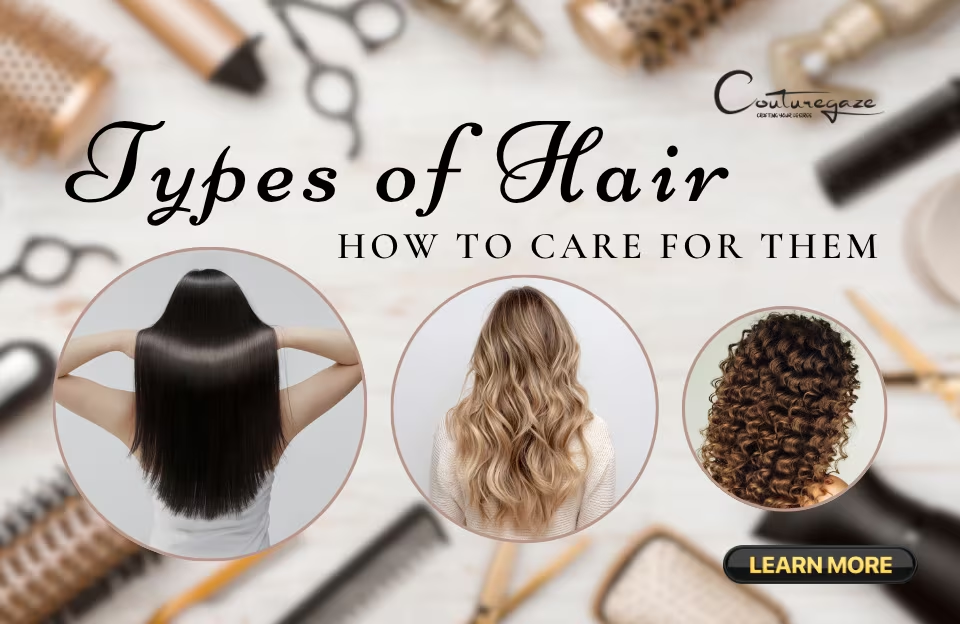
Before choosing oils, masks, or treatments, it’s important to understand your natural hair type. Our complete guide on Types of Hair and How to Take Care of Them can help you identify your hair pattern and build a more effective hair care routine.
Why Does Hair Texture Become Rough or Damaged?
Hair texture usually doesn’t change overnight.
Instead, it gradually worsens because of repeated exposure to damage.
Common causes include:
- Excessive heat styling – blow dryers, straighteners, curling irons
- Chemical treatments – coloring, bleaching, relaxing, perming.
- Improper hair care – overwashing, harsh shampoos, lack of conditioning.
- Environmental factors – sun, humidity, pollution, hard water.
- Diet and lifestyle – poor nutrition, dehydration, stress, lack of sleep.
- Aging & hormonal changes – pregnancy, menopause, thyroid issues.
Over time, these factors weaken the protective outer layer of the hair known as the cuticle.
When the cuticle becomes damaged, hair begins to lose moisture and appears rough, dull, and frizzy.
The Hidden Hair Texture Damage Cycle
One of the biggest mistakes people make is trying to fix damaged hair without addressing the habits causing the damage.
For example:
- You heat style your hair.
- The hair becomes dry.
- You add more styling products.
- The buildup increases.
- The hair becomes rougher.
- You apply even more products.
- The cycle continues.
Improving hair texture is often less about adding more products and more about reducing the causes of damage.
Small daily improvements create long-term results.
Add One Expert Box
Expert Tip: Improving hair texture isn’t about finding a miracle product. Consistency matters more than expensive treatments. Small habits like regular oiling, proper hydration, and reducing heat styling often produce better long-term results than quick fixes.
11 Proven Ways for Softer, Healthier Hair
Here are proven, natural ways to enhance your hair’s health and texture:
1. Nourishing Oil Treatments
Natural oils remain one of the most effective ways to improve hair texture.
They help:
- Reduce frizz
- Seal moisture
- Add shine
- Improve softness
- Protect against breakage
Best Oils for Hair Texture
Coconut Oil
- Reduces protein loss
- Deeply nourishes hair
Almond Oil
- Improves softness
- Adds shine
Olive Oil
- Helps smooth rough strands
Castor Oil
- Supports thicker-looking hair
How to Use
- Warm the oil slightly
- Massage into scalp
- Apply through lengths
- Leave for 1–2 hours
- Wash gently
Repeat 2–3 times weekly.
Pro tip: Add rosemary or lavender essential oil to boost circulation and aroma.
2. Balance Protein and Moisture
Your hair is primarily made of keratin (protein).
Healthy hair needs both protein and hydration. Too much moisture can leave hair limp, Too much protein can make it stiff.
- Protein-Rich Hair Masks :
- Egg + yogurt
- Egg + olive oil
- Greek yogurt + honey
- Moisture-Rich Hair Masks :
- Aloe vera + coconut oil
- Banana + honey
- Avocado + olive oil
Use protein treatments weekly and moisturizing treatments as needed.
3. Pay Attention to Your Scalp
Healthy hair starts at the scalp.
A neglected scalp often leads to:
- Dandruff
- Product buildup
- Weak hair growth
- Poor hair quality
Simple ways to improve scalp health:
- Gentle massage
- Regular cleansing
- Avoid excessive product buildup
- Stay hydrated
- Manage stress
Think of your scalp as the foundation of healthy hair.
4. Switch to a Gentler Shampoo
Many shampoos contain ingredients that strip natural oils, leaving hair dry and brittle.
This often causes:
- Dryness
- Frizz
- Rough texture
Look for:
- Sulfate-free formulas
- Hydrating ingredients
- Nourishing botanical extracts
Wash only when necessary rather than every day.
- Try co-washing (washing with conditioner only)
- If you have curly/dry hair. Wash hair 2–3 times a week instead of daily.
5. Deep Condition Weekly
Deep conditioning replenishes lost moisture and smooths the hair cuticle.
Benefits include:
- Softer texture
- Better manageability
- Less breakage
- Increased shine
A weekly deep-conditioning session can dramatically improve hair quality over time.
6. Stay Hydrated
Just like your skin, your hair needs hydration.
When you’re dehydrated:
- Hair becomes dull
- Dryness increases
- Breakage becomes more common
Aim for:
- 8–10 glasses of water daily
- Water-rich fruits
- Hydrating vegetables
Your hair reflects your body’s hydration levels.
- Apply a leave-in conditioner after washing.
- Use deep conditioning masks once a week.
- Opt for serums with argan oil or jojoba oil to tame frizz.
Your hair reflects your overall health. Proper hydration, balanced nutrition, quality sleep, and regular exercise all contribute to stronger, healthier-looking hair. If you’re unsure whether you’re meeting your body’s hydration needs, check our Daily Water Intake Calculator. You can also use our BMI Calculator to assess your overall health, as maintaining a healthy lifestyle can support better hair texture and long-term hair health.
7. Eat Foods That Support Healthy Hair
Healthy hair starts from within, Hair is primarily made of protein, without proper nutrition, texture often suffers.
Hair follicles rely on a steady supply of nutrients to produce strong, healthy strands. If you’re working on improving your overall nutrition, our Calorie Calculator can help you understand your daily energy requirements and build a more balanced diet.
Focus on:
- Protein-rich foods – eggs, fish, beans, lentils.
- Vitamin-rich foods – spinach, carrots, sweet potatoes, oranges.
- Healthy fats – avocados, chia seeds, olive oil, nuts.
- Biotin & zinc sources – almonds, walnuts, whole grains.
8. Protect Hair While Sleeping
Many people damage their hair while they sleep.
Try:
- Silk pillowcases
- Satin pillowcases
- Loose braids
- Loose buns
Reducing friction helps preserve smoother texture.
9. Understand the Effects of Hard Water
Hard water is an overlooked cause of rough hair.
Minerals such as calcium and magnesium can accumulate on the hair shaft.
Common signs include:
- Hair feels rough after washing
- Reduced shine
- Increased frizz
- Product buildup
Installing a shower filter or using a clarifying shampoo occasionally may help remove mineral deposits.
10. Adjust Your Hair Care Routine with the Seasons
Hair texture changes throughout the year.
Summer
- More UV damage
- Increased dryness
Monsoon
- More frizz
- Puffiness
- Loss of curl definition
Winter
- Dry air
- Static
- Increased brittleness
Adjusting products according to seasonal changes can help maintain healthier texture year-round.
11. Reduce Heat Styling
Frequent use of:
- Hair dryers
- Curling irons
- Straighteners
can gradually damage the hair cuticle.
If heat styling is necessary:
- Use heat protectant
- Lower temperature settings
- Avoid daily use
Your hair texture will thank you.
Signs Your Hair Texture Needs Improvement
Watch for these warning signs:
- Excessive frizz
- Split ends
- Frequent tangles
- Dull appearance
- Rough strands
- Breakage
- Lack of elasticity
The earlier you address these signs, the easier it becomes to restore healthy hair.
Lifestyle Habits That Improve Hair Texture
Many people focus only on oils and hair masks, but healthy hair starts from within. Your daily habits can directly affect how your hair looks and feels.
Manage Stress
Chronic stress can affect hair growth cycles and contribute to dryness, shedding, and dull-looking hair. Simple activities like yoga, meditation, deep breathing exercises, or daily walks can help manage stress levels and support overall hair health.
Prioritize Quality Sleep
Your body repairs and regenerates while you sleep, including your scalp and hair follicles. Aim for 7–8 hours of quality sleep each night to support stronger, healthier hair.
Avoid Smoking and Excess Alcohol
Smoking can reduce blood flow to hair follicles, while excessive alcohol consumption may contribute to dehydration and nutritional deficiencies. Limiting both can help maintain healthier-looking hair over time.
Protective Hairstyles and Daily Hair Care Habits
Even the best hair treatments can only do so much if daily habits are causing damage.
Choose Protective Hairstyles
Styles such as loose braids, buns, and twists can help reduce friction, tangling, and breakage, especially for longer hair.
Avoid Excessively Tight Hairstyles
Constant tension from tight ponytails, buns, or braids can weaken hair roots and contribute to breakage.
Trim Hair Regularly
Regular trims every 8–12 weeks help remove split ends before they travel further up the hair shaft, making hair look smoother and healthier.
Herbal and Ayurvedic Remedies for Better Hair Texture
Traditional remedies have been used for centuries to improve hair strength, shine, and manageability.
- Amla (Indian gooseberry) – Rich in vitamin C and antioxidants, amla may help strengthen hair roots and improve overall hair appearance.
- Bhringraj oil – Often called the “King of Herbs” in Ayurveda, bhringraj oil is commonly used to support thicker, healthier-looking hair.
- Fenugreek seeds – Soaked fenugreek seeds can be blended into a paste and applied as a hair mask. They contain protein and nutrients that help condition hair naturally.
- Aloe vera – Aloe vera helps soothe the scalp, reduce dryness, and improve hair softness without weighing it down.
When Natural Remedies Are Not Enough (Optional)
While natural remedies can improve hair texture for many people, some concerns may require professional guidance.
Keratin Treatments
These salon treatments can temporarily smooth frizz and make hair appear shinier and more manageable.
Scalp Therapies
Professional scalp treatments can help remove buildup and improve scalp health, creating a better environment for healthy hair.
PRP (Platelet-Rich Plasma) Therapy
For individuals experiencing significant thinning or hair quality concerns, PRP therapy may be recommended by a qualified dermatologist.
Common Myths About Hair Texture
Myth 1: Frequent shampooing improves texture.
Reality: Over-washing strips oils and worsens dryness.
Myth 2: Cutting hair makes it grow faster.
Reality: Hair grows from the scalp. Trimming just prevents split ends.
Myth 3: Only expensive products can improve texture.
Reality: Consistency matters more than price. Natural remedies and a good diet are equally powerful.
Myth 4: Hair oils instantly repair damage.
Reality: Oils help improve appearance and protection, but damaged hair requires ongoing care.
Hair Texture Improvement Routine
Example:
Simple Weekly Hair Texture Routine
Monday
- Coconut oil massage
Wednesday
- Gentle shampoo + conditioner
Friday
- Aloe vera hair mask
Sunday
- Deep conditioning treatment
When Will You Notice Better Hair Texture?
- 1–2 weeks: Reduced dryness and improved softness
- 3–4 weeks: Less frizz and better manageability
- 6–8 weeks: Stronger, healthier-looking hair
- 2–3 months: Noticeable improvement in overall texture and shine
Google loves this kind of practical information.
FAQs About Improving Hair Texture Naturally
1. How long does it take to improve hair texture?
Most people notice improvements within 4–8 weeks of consistent care.
2. Can poor hair texture be genetic?
Yes, but you can still improve softness and shine with the right care.
3. Which oil is best for improving hair texture?
Coconut oil is often considered one of the most effective oils for reducing protein loss and improving softness.
4. Do hair supplements work?
Supplements like biotin, collagen, and omega-3 can help, but consult a doctor first.
5. Is it possible to permanently change hair texture?
Not permanently, genetics decide your natural texture. But you can dramatically improve smoothness, strength, and shine.
6. Can damaged hair texture be repaired naturally?
While severely damaged hair may not fully recover, natural care can significantly improve softness, shine, and manageability.
7. Does rice water improve hair texture?
Rice water may strengthen hair temporarily due to its amino acids and starch content, but it should be used in moderation.
8. Can hard water cause rough hair?
Yes. Mineral buildup from hard water can make hair feel dry, rough, and difficult to manage.
Final Thoughts
Learning how to improve hair texture naturally isn’t about finding one miracle product.
It’s about building healthy habits that protect and nourish your hair every day.
Simple changes like oiling regularly, eating nutrient-rich foods, staying hydrated, reducing heat styling, and maintaining scalp health can gradually transform rough, dull hair into softer, shinier, and healthier-looking hair.
Be patient, stay consistent, and focus on long-term hair health rather than quick fixes.
Because the best hair care routine is the one you can maintain consistently.
Start small, add oil massages, eat hair-friendly foods, and ditch harsh shampoos. Within weeks, you’ll notice softer, smoother, and more manageable hair.