Have you ever stood in front of a full closet and felt like you had nothing to wear?
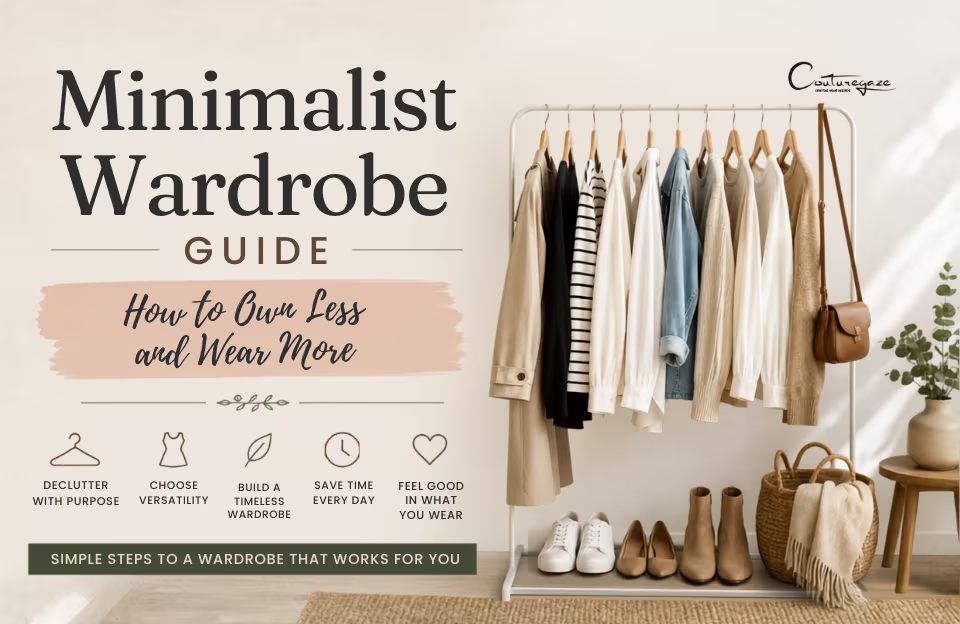
Many people own far more clothing than they actually use, yet still struggle to create outfits they love. A minimalist wardrobe offers a practical solution by focusing on quality, versatility, and intentional clothing choices rather than endless shopping.
The goal isn’t to own as few clothes as possible. Instead, it’s about building a collection of pieces that fit your lifestyle, work well together, and make getting dressed easier every day.
Whether you’re looking to save money, simplify your mornings, reduce clutter, or create a more sustainable wardrobe, a minimalist approach can help you achieve all of those goals.
In this guide, you’ll learn:
- What a minimalist wardrobe is
- The benefits of owning fewer clothes
- How to declutter your closet
- Essential wardrobe pieces to consider
- How to create more outfits with less
- Common minimalist wardrobe mistakes to avoid
By the end, you’ll have a clear roadmap for building a wardrobe that works harder while requiring less effort.
- What Is a Minimalist Wardrobe?
- Minimalist Wardrobe vs Capsule Wardrobe
- Why Build a Minimalist Wardrobe?
- Signs Your Wardrobe May Need Simplifying
- Step 1: Define Your Personal Style and Lifestyle Needs
- Step 2: Declutter Your Closet
- Step 3: Build Your Minimalist Wardrobe Foundation
- Step 4: Choose a Cohesive Colour Palette
- Step 5: Build Your Wardrobe Around Your Lifestyle
- Step 6: How to Create More Outfits with Fewer Clothes
- Step 7: Seasonal Wardrobe Planning
- Step 8: How to Shop More Intentionally
- Step 9: How to Maintain a Minimalist Wardrobe Long-Term
- Common Minimalist Wardrobe Mistakes to Avoid
- Minimalist Wardrobe Myths vs Facts
- Frequently Asked Questions
- 1. How many clothes should a minimalist wardrobe contain?
- 2. Can a minimalist wardrobe still be fashionable?
- 3. Do I need to throw away all my clothes to start?
- 4. Can I follow trends with a minimalist wardrobe?
- 5. Is a capsule wardrobe the same as a minimalist wardrobe?
- 6. How often should I declutter my wardrobe?
- Conclusion
What Is a Minimalist Wardrobe?
A minimalist wardrobe is a carefully curated collection of clothing that contains only the pieces you genuinely wear, need, and enjoy.
Unlike fast-fashion shopping habits that encourage constant purchases, a minimalist wardrobe focuses on:
- Quality over quantity
- Versatility over trends
- Function over clutter
- Intentional purchases over impulse buys
A minimalist wardrobe doesn’t have a strict number of items.
For some people, it may contain 30-40 pieces.
For others, it could be 60-80 pieces.
The exact number matters less than ensuring that every item serves a purpose and earns its place in your closet.
The best minimalist wardrobes reflect the individual’s lifestyle, climate, profession, and personal style.
Minimalist Wardrobe vs Capsule Wardrobe
Although the terms are often used interchangeably, they are not exactly the same.
| Minimalist Wardrobe | Capsule Wardrobe |
| Focuses on owning fewer clothes overall | Focuses on creating maximum outfit combinations |
| May include seasonal rotation | Often built around a specific number of pieces |
| Prioritizes simplicity and intentional ownership | Prioritizes versatility and outfit planning |
| Lifestyle approach | Wardrobe-building method |
A capsule wardrobe can actually be part of a minimalist wardrobe.
If you’re new to the concept, our Capsule Wardrobe for Women in 2026: Build a Stylish Closet with Less guide explains how to create a versatile wardrobe using fewer carefully selected pieces.
Why Build a Minimalist Wardrobe?
Many people start their minimalist wardrobe journey to reduce clutter, but the benefits go far beyond having a tidier closet.
Save Time Every Morning
Fewer clothing choices often lead to faster decisions.
Instead of sorting through dozens of rarely worn items, you’ll have a collection of clothes that all work well together.
Save Money
A minimalist wardrobe encourages thoughtful purchases rather than impulse shopping.
Over time, buying fewer but higher-quality pieces can often reduce overall clothing expenses.
Reduce Closet Clutter
A cluttered wardrobe can make it difficult to see what you actually own.
Removing unused items creates more space and makes organizing much easier.
Improve Personal Style
When every piece in your wardrobe fits your lifestyle and personal preferences, your style becomes more consistent and intentional.
Many people find that owning less actually helps them dress better.
Support Sustainable Fashion
Buying fewer clothes and wearing them more often can help reduce unnecessary textile waste and encourage more responsible consumption habits.
Signs Your Wardrobe May Need Simplifying
Not sure whether a minimalist wardrobe is right for you?
Here are some common signs that your closet may be working against you:
You Wear the Same Few Outfits Repeatedly
Most people naturally gravitate toward a small percentage of their wardrobe.
If you constantly wear the same items while ignoring the rest, it may be time to reassess what you actually need.
Your Closet Feels Overcrowded
If clothes are difficult to organize, hangers are packed tightly together, or items regularly fall off shelves, excess clothing may be creating unnecessary clutter.
You Frequently Buy Similar Items
Owning five nearly identical black tops or multiple pairs of similar jeans often indicates a lack of intentional wardrobe planning.
You Struggle to Create Outfits
Ironically, having more clothes doesn’t always make getting dressed easier.
A wardrobe filled with random pieces often creates fewer outfit combinations than a smaller collection of versatile essentials.
How to Build a Minimalist Wardrobe: A Step-by-Step Guide
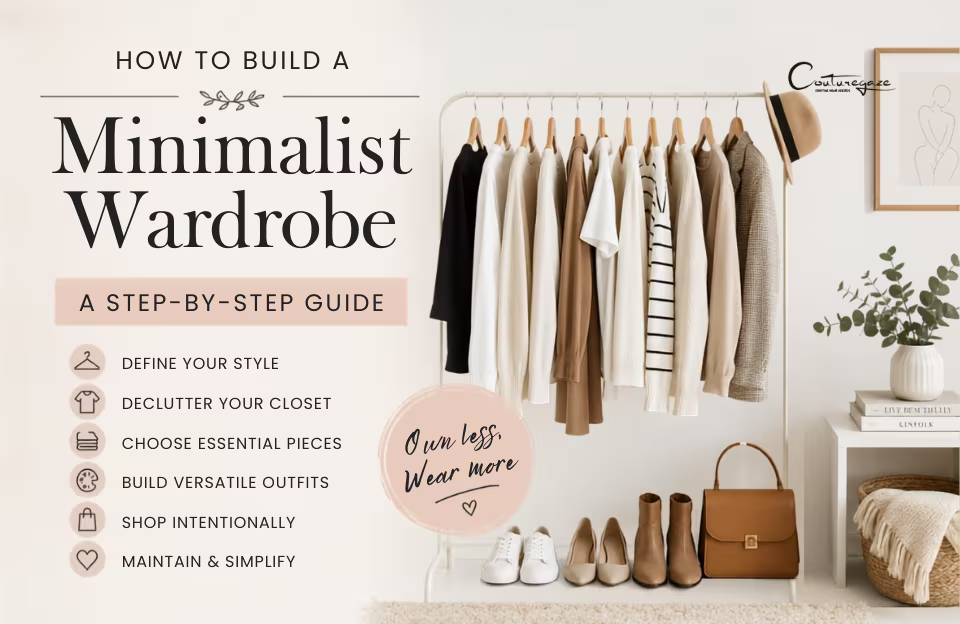
Step 1: Define Your Personal Style and Lifestyle Needs
Before you start decluttering your closet or shopping for wardrobe essentials, it’s important to understand what you’re actually building your wardrobe for.
One of the biggest reasons people struggle with minimalist wardrobes is that they try to copy someone else’s style instead of creating a wardrobe that supports their own lifestyle. A wardrobe that works perfectly for a corporate professional may not suit someone who works remotely, travels frequently, or has a more casual daily routine.
Taking the time to define your personal style and lifestyle needs will help you make better decisions throughout the entire wardrobe-building process.
Assess Your Daily Activities
Start by thinking about how you spend most of your time during a typical week.
Ask yourself:
- Do I work in a professional office environment?
- Do I work from home?
- Do I travel frequently?
- Do I attend formal events regularly?
- Do I spend most of my time in casual settings?
Your wardrobe should reflect the reality of your daily life rather than occasional situations.
For example, if you spend 80% of your time working from home, it makes little sense to fill your closet with office wear that rarely gets used.
Identify the Clothes You Wear Most Often
Open your closet and take note of the pieces you reach for repeatedly.
You may notice patterns such as:
- Certain colours that make you feel confident.
- Specific fits that are more comfortable.
- Favourite fabrics that suit your lifestyle.
- Styles that consistently work for different occasions.
These frequently worn items provide valuable clues about your true personal style.
Create a Style Inspiration List
Instead of focusing on trends, think about how you want your wardrobe to make you feel.
Choose a few words that describe your ideal style.
Examples:
- Classic
- Elegant
- Minimal
- Professional
- Casual
- Relaxed
- Modern
- Timeless
These style descriptors can act as a filter for future purchases and help prevent impulse buying.
Define Your Wardrobe Goals
Finally, consider why you’re creating a minimalist wardrobe in the first place.
Your goals may include:
- Reducing clutter
- Saving money
- Simplifying daily outfit decisions
- Creating a more cohesive personal style
- Building a more sustainable wardrobe
Having a clear purpose makes it easier to stay focused as you move through the decluttering and wardrobe-building process.
Quick Exercise
Before moving to the next step, write down:
- Three words that describe your ideal style.
- Your three most-worn outfits.
- Three wardrobe items you wear every week.
- Three clothing categories you rarely wear.
This simple exercise provides a strong foundation for creating a minimalist wardrobe that genuinely works for your lifestyle.
Step 2: Declutter Your Closet
Before building a minimalist wardrobe, it’s important to understand what you already own.
Set aside time to go through every item in your closet and ask yourself:
- Do I wear this regularly?
- Does it fit well?
- Is it comfortable?
- Does it suit my current lifestyle?
- Would I buy it again today?
Create four categories:
Keep: Items you wear regularly and genuinely enjoy.
Donate: Pieces in good condition that no longer suit your style or needs.
Sell: Higher-quality items that may have resale value.
Repair: Items worth keeping but needing minor alterations or repairs.
The One-Year Rule
If you haven’t worn an item in the past year (excluding special occasions), consider whether it still deserves space in your wardrobe.
This simple rule helps identify pieces that no longer serve a purpose.
Step 3: Build Your Minimalist Wardrobe Foundation
Now that you’ve decluttered your closet, you should have a much clearer picture of what remains.
At this stage, many people notice wardrobe gaps. Perhaps you have plenty of tops but few versatile bottoms, or maybe your wardrobe lacks layering pieces that work across different seasons.
Rather than rushing out to buy new clothes, focus on identifying the essential pieces that support your lifestyle and work well together. The goal is to create a wardrobe where most items can be mixed and matched effortlessly.
A strong minimalist wardrobe foundation typically includes versatile tops, well-fitting bottoms, practical outerwear, comfortable shoes, and a few carefully chosen accessories.
Let’s look at the key pieces worth considering.
Essential Pieces for a Minimalist Wardrobe
Once you’ve decluttered your closet, the next step is building a collection of versatile pieces that work together effortlessly. The goal isn’t to copy someone else’s wardrobe but to create a foundation that suits your lifestyle and personal style.
A well-planned minimalist wardrobe typically includes a mix of essentials that can be dressed up, dressed down, layered, and worn across multiple seasons.
Everyday Tops
Your tops should form the backbone of your wardrobe and pair easily with multiple bottoms.
Consider including:
- White T-shirt
- Black T-shirt
- Neutral long-sleeve top
- Classic button-down shirt
- Lightweight knit sweater
- Neutral blouse
- Breton or striped top
Choose colours that coordinate easily with the rest of your wardrobe.
Versatile Bottoms
A few well-fitting bottoms can create dozens of outfit combinations.
Examples include:
- Dark-wash jeans
- Black tailored trousers
- Neutral trousers
- Straight-leg jeans
- Midi skirt
- Casual shorts (if appropriate for your climate)
Fit is often more important than quantity.
Dresses
If you enjoy wearing dresses, focus on styles that can be worn in multiple settings.
Good options include:
- Simple black dress
- Neutral midi dress
- Casual daytime dress
Layering pieces can extend their versatility throughout the year.
Outerwear
The right outerwear adds structure and functionality.
Depending on your climate, consider:
- Blazer
- Cardigan
- Denim jacket
- Trench coat
- Wool coat
- Lightweight jacket
Choose pieces that work with most of your wardrobe rather than only one outfit.
Shoes
Many minimalist wardrobes thrive with fewer, better shoes.
Examples:
- White sneakers
- Comfortable flats or loafers
- Ankle boots
- Neutral heels
- Sandals
The best shoe collection supports your lifestyle rather than following trends.
Accessories
Accessories should complement your wardrobe rather than overwhelm it.
Examples:
- Structured tote bag
- Crossbody bag
- Neutral belt
- Simple jewellery
- Lightweight scarf
- Sunglasses
A few carefully chosen accessories can completely transform an outfit.
Step 4: Choose a Cohesive Colour Palette
One of the biggest reasons minimalist wardrobes work so well is colour coordination.
When most of your clothes complement each other, creating outfits becomes significantly easier.
Start with Neutral Base Colours
Choose 2-4 primary neutrals such as:
- Black
- White
- Navy
- Grey
- Beige
- Cream
- Camel
These colours form the foundation of your wardrobe.
Add Accent Colours
Once your neutrals are established, introduce a few accent colours that reflect your personality.
Examples:
- Burgundy
- Olive green
- Dusty pink
- Forest green
- Soft blue
- Rust
Limiting accent colours helps maintain versatility.
Consider Your Lifestyle
Your colour palette should reflect your daily life.
For example:
Professional Wardrobe
May include:
- Black
- Navy
- Grey
- White
Casual Lifestyle
May include:
- Denim blue
- Cream
- Olive
- Beige
Creative Professions
May allow for more vibrant colours and statement pieces.
The key is intentionality rather than restriction.
Step 5: Build Your Wardrobe Around Your Lifestyle
One of the biggest mistakes people make is building a wardrobe for the life they wish they had instead of the life they actually live.
Before purchasing anything new, ask yourself:
Where Do I Spend Most of My Time?
For example:
- Office
- Working from home
- Travelling
- Social events
- Outdoor activities
Your wardrobe should reflect these priorities.
The 80/20 Rule
Many people spend:
- 80% of their time in
- 20% of their wardrobe
A minimalist wardrobe reverses this imbalance.
The majority of your clothing should support your everyday activities rather than occasional events.
Step 6: How to Create More Outfits with Fewer Clothes
The secret to a successful minimalist wardrobe isn’t owning more clothes.
It’s owning clothes that work together.
Prioritise Versatile Pieces
A blazer that works with jeans, dresses, skirts, and trousers provides far more value than a statement piece worn once a year.
Think in Outfit Combinations
Before buying an item, ask: Can I create at least three outfits with this piece using clothes I already own?
If not, reconsider the purchase.
Embrace Layering
Layering increases outfit possibilities without increasing wardrobe size.
Examples:
- T-shirt + blazer
- Dress + cardigan
- Button-down + sweater
- Blouse + trench coat
Layering also helps transition clothing between seasons.
Step 7: Seasonal Wardrobe Planning
A minimalist wardrobe doesn’t mean wearing the same clothes year-round.
Many people rotate seasonal pieces while maintaining a consistent core wardrobe.
Spring & Summer
Focus on:
- Lightweight fabrics
- Breathable tops
- Dresses
- Sandals
Autumn & Winter
Focus on:
- Knitwear
- Boots
- Jackets
- Coats
- Layering pieces
Keeping off-season clothing stored separately can help maintain a clutter-free closet.
Quality Over Quantity
Minimalism isn’t about deprivation.
It’s about choosing better.
When shopping, consider:
- Fabric quality
- Construction
- Comfort
- Versatility
- Longevity
Investing in fewer, better-made pieces often leads to greater satisfaction over time.
Step 8: How to Shop More Intentionally
Minimalism doesn’t mean never shopping again.
It means shopping with purpose.
Create a Shopping List
Keep a running list of genuine wardrobe gaps.
Examples:
- Comfortable loafers
- Neutral cardigan
- Black trousers
- Lightweight trench coat
Shopping with a list reduces impulse purchases.
Follow the 30-Wear Rule
Before purchasing an item, ask: Can I realistically wear this at least 30 times?
If the answer is yes, it’s more likely to be a worthwhile addition.
Prioritise Quality
When possible, focus on:
- Durable fabrics
- Good construction
- Proper fit
- Timeless designs
Higher-quality clothing often lasts longer and provides better value over time.
Avoid Emotional Shopping
Many purchases happen because of:
- Stress
- Boredom
- Sales promotions
- Social media influence
Pausing before buying can help prevent unnecessary additions to your wardrobe.
A simple strategy is to wait 24-48 hours before making non-essential purchases.
Step 9: How to Maintain a Minimalist Wardrobe Long-Term
Creating a minimalist wardrobe is only the beginning.
Maintaining it requires occasional review and adjustment.
Conduct Seasonal Wardrobe Check-Ins
At the beginning of each season:
- Review what you wore most.
- Identify items you didn’t wear.
- Note any gaps in your wardrobe.
- Repair or replace heavily used essentials.
This helps keep your wardrobe aligned with your lifestyle.
Adopt a One-In, One-Out Rule
For every new item purchased, consider removing one item you no longer wear.
This simple habit can prevent your wardrobe from gradually becoming overcrowded again.
Focus on Outfit Repetition
Many people worry about repeating outfits.
In reality, repeating well-loved outfits is common and practical.
The goal of a minimalist wardrobe is not endless variety, it’s having reliable clothing you enjoy wearing consistently.
Common Minimalist Wardrobe Mistakes to Avoid
Building a minimalist wardrobe can simplify your life, but there are a few common mistakes that can make the process frustrating. Understanding these pitfalls can help you create a wardrobe that remains practical, functional, and enjoyable to wear.
Mistake #1: Getting Rid of Too Much Too Quickly
One of the biggest misconceptions about minimalism is that you need to dramatically reduce your wardrobe overnight.
While decluttering is important, removing too many items at once can leave you feeling unprepared for work, special occasions, seasonal changes, or unexpected events.
Instead:
- Declutter gradually.
- Test your wardrobe over several weeks.
- Identify genuine gaps before replacing items.
A minimalist wardrobe should feel freeing, not restrictive.
Mistake #2: Following Someone Else’s Formula
Social media often promotes strict wardrobe rules such as:
- 30 items only
- One colour palette only
- No trends allowed
In reality, a successful minimalist wardrobe is highly personal.
Your wardrobe should reflect:
- Your climate
- Your profession
- Your lifestyle
- Your personal style preferences
What works for a fashion editor in Paris may not work for someone working remotely in a warmer climate.
Mistake #3: Prioritising Trends Over Versatility
Trend-driven purchases can quickly create clutter.
Before buying a new piece, ask:
Will I still enjoy wearing this next year?
Versatile, timeless pieces generally provide more value and outfit possibilities than short-lived trends.
Mistake #4: Keeping Clothes That No Longer Fit
Many wardrobes contain clothing kept for:
- Weight loss goals
- Past lifestyles
- “Just in case” situations
While a few sentimental pieces are understandable, a minimalist wardrobe should primarily consist of clothes that fit and serve you today.
Mistake #5: Shopping Without a Plan
Decluttering your wardrobe is only half the process.
Without a clear shopping strategy, it’s easy to recreate the same clutter you’re trying to eliminate.
Before buying anything new, consider:
- Do I genuinely need it?
- Does it fit my lifestyle?
- Can I create multiple outfits with it?
- Does it work with my existing wardrobe?
Intentional purchases are the foundation of long-term wardrobe simplicity.
Minimalist Wardrobe Myths vs Facts
| Myth | Fact |
| Minimalism means owning very few clothes. | A minimalist wardrobe is about intentional ownership, not a specific number of items. |
| You can never buy new clothes. | Minimalists still shop, but they purchase more thoughtfully. |
| Minimalist wardrobes are boring. | A carefully curated wardrobe can reflect personal style while remaining versatile. |
| You must wear only neutral colours. | Minimalism can include colour as long as it aligns with your wardrobe strategy. |
| Minimalism is only for fashion enthusiasts. | Anyone can benefit from a simpler, more organised wardrobe. |
Frequently Asked Questions
1. How many clothes should a minimalist wardrobe contain?
There is no universal number.
Some people are comfortable with 30-40 pieces, while others may need 60-80 items depending on their lifestyle, climate, and professional needs.
The goal is to own what you use and enjoy.
2. Can a minimalist wardrobe still be fashionable?
Absolutely, a minimalist wardrobe often creates a more polished and consistent personal style because each piece is chosen intentionally.
3. Do I need to throw away all my clothes to start?
No, Start by evaluating what you wear regularly and gradually remove items that no longer serve a purpose.
A gradual transition is often more sustainable than a drastic purge.
4. Can I follow trends with a minimalist wardrobe?
Yes, the key is selecting trends carefully and ensuring they work with your existing wardrobe rather than purchasing them impulsively.
5. Is a capsule wardrobe the same as a minimalist wardrobe?
Not exactly, A capsule wardrobe is a wardrobe-building method focused on versatility, while a minimalist wardrobe is a broader lifestyle approach centered on owning fewer, more intentional items.
6. How often should I declutter my wardrobe?
Many people benefit from reviewing their wardrobe once or twice a year, typically at the start of a new season.
Conclusion
A minimalist wardrobe isn’t about owning the fewest clothes possible, it’s about owning the right clothes for your lifestyle.
By focusing on quality, versatility, and intentional purchasing, you can create a wardrobe that simplifies daily decisions, reduces clutter, saves money, and helps you feel more confident in what you wear.
Remember that minimalism looks different for everyone. The ideal wardrobe isn’t determined by a number of items but by how well those items support your daily life.
Start small, make thoughtful choices, and allow your wardrobe to evolve over time. The result is a collection of clothing that works harder, lasts longer, and brings greater satisfaction than a closet full of rarely worn pieces.
Continue Building Your Wardrobe
Want to create an even more versatile closet? Explore these related guides:
- Capsule Wardrobe for Women in 2026: Build a Stylish Closet with Less – Learn how to create dozens of outfit combinations using a carefully selected collection of versatile essentials.
- Work Capsule Wardrobe for Women: 25 Office Essentials for a Professional Closet – Discover the key clothing pieces that help you build a professional, polished work wardrobe.
- Travel Capsule Wardrobe: Pack Smart with Fewer Clothes for Every Trip – Learn how to pack lighter, reduce travel stress, and create multiple outfits with fewer pieces.